
A 19th-Century Farmstead Reimagined
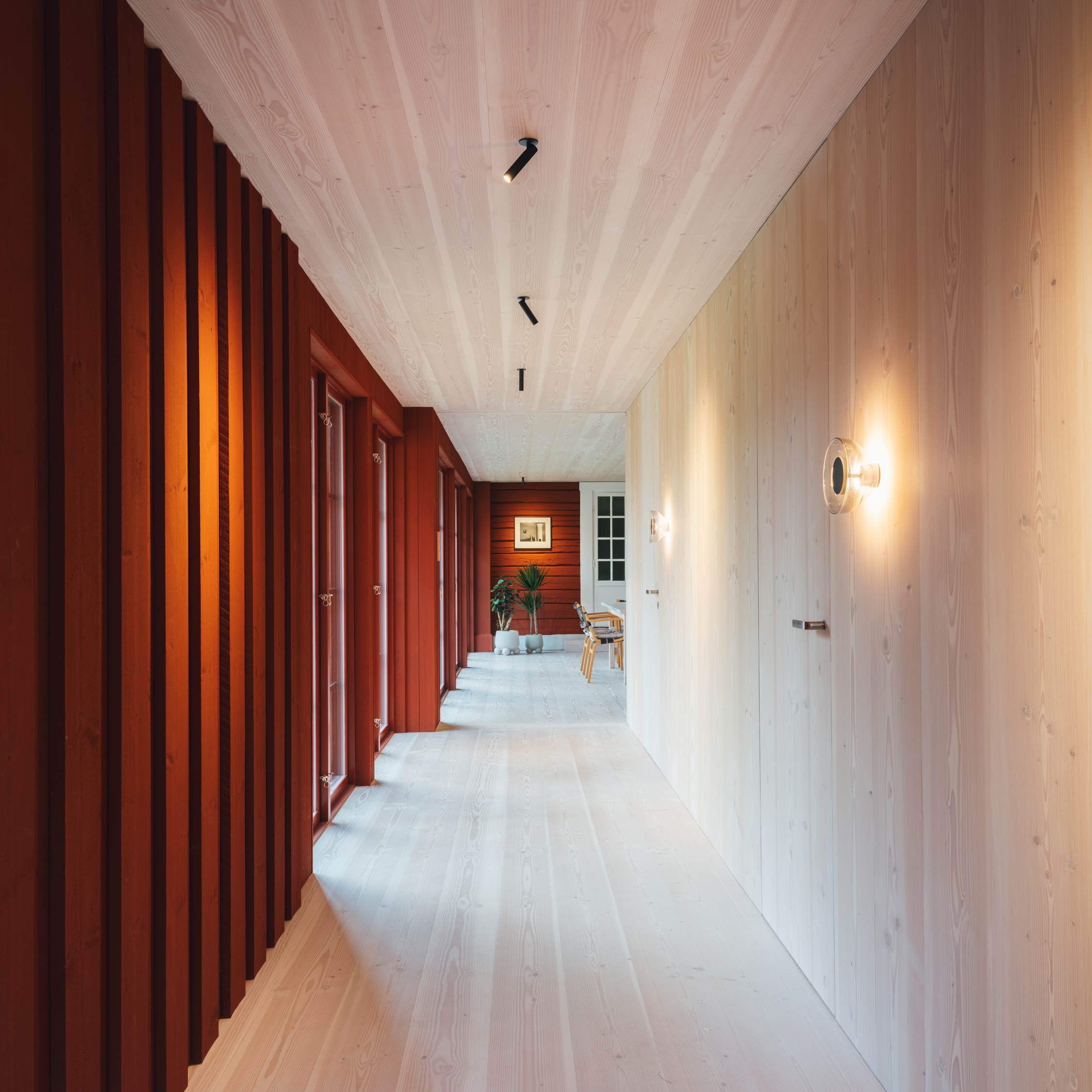
In northern Sweden, a traditional Västerbotten farmstead from the mid-19th century has undergone an extensive interior renovation, along with an extension that connects the main house to an older bakehouse. The brief for Christoffer Andersson Arkitekter was to bring the project into the future without breaking with its history. The new elements were not intended to imitate the old, but rather to add another layer — a contemporary addition that relates respectfully to the farmstead’s origins.
“We wanted to carry out a careful renovation, but with modern and precise additions. To create an annual ring in the extensions that engages in dialogue with the existing structure, while also clearly belonging to our time.”
A 19th-Century Farmstead Reimagined
In northern Sweden, a traditional Västerbotten farmstead from the mid-19th century has undergone an extensive interior renovation, along with an extension that connects the main house to an older bakehouse. The brief for Christoffer Andersson Arkitekter was to bring the project into the future without breaking with its history. The new elements were not intended to imitate the old, but rather to add another layer — a contemporary addition that relates respectfully to the farmstead’s origins.
“We wanted to carry out a careful renovation, but with modern and precise additions. To create an annual ring in the extensions that engages in dialogue with the existing structure, while also clearly belonging to our time.”
A Project with High Ambitions
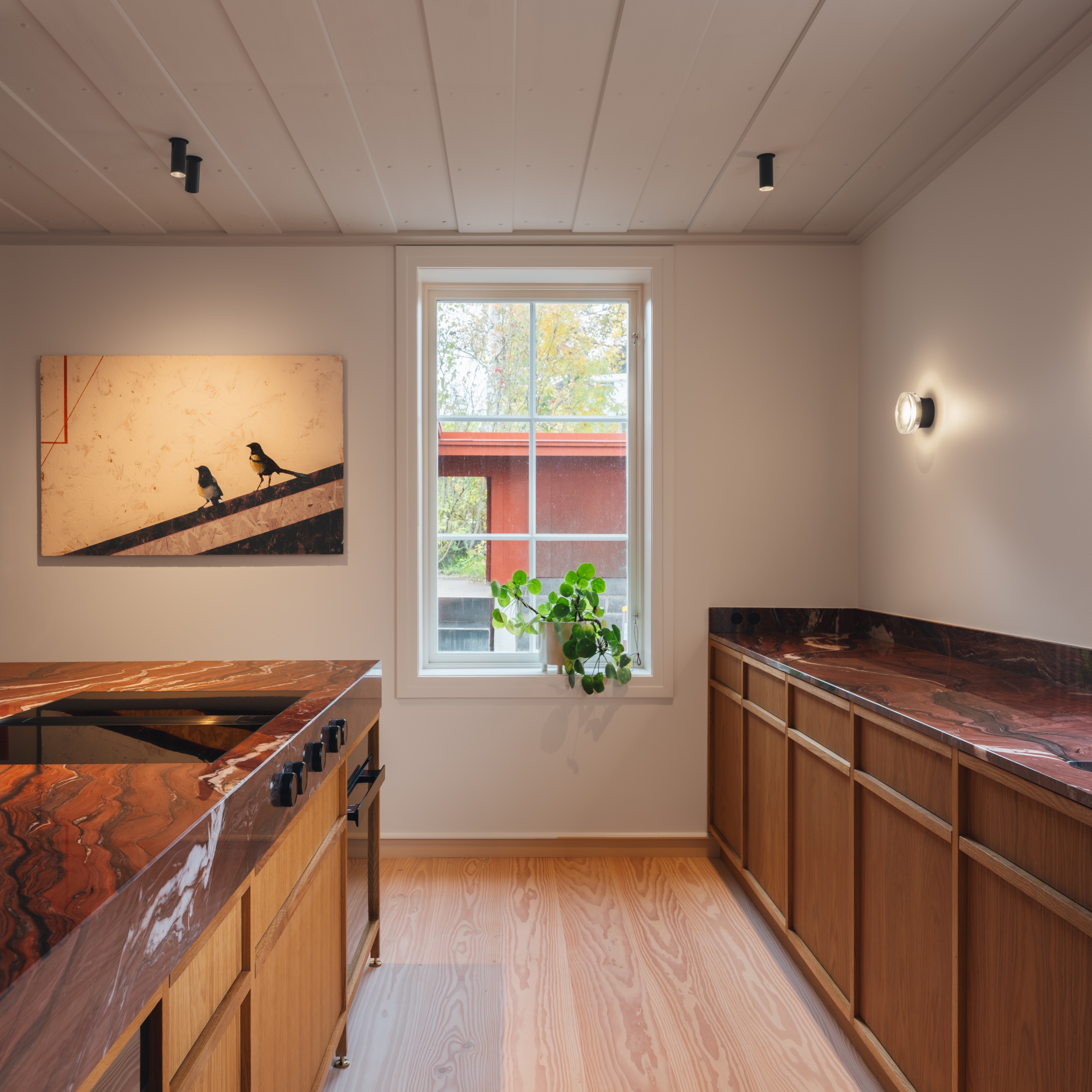
From the outset, the project was defined by a clear ambition regarding materials, detailing, and execution. The aim was to create a cohesive whole in which both architecture and material choices maintain a high standard, and where every decision contributes to the long-term quality of the project. This attention to detail is evident in the construction, the joinery, and in the way materials meet throughout the spaces.
“It is an extremely ambitious project. Both in terms of material selection and in execution and detailing.”
When the Original Floor Could Not Be Preserved
The original buildings featured an older plank floor that was initially intended to be preserved. When it proved to be in too poor a condition, the plans had to be revised. At the same time, the entire substructure beneath the floors was rebuilt, making it a natural decision to install a new solid plank floor that could carry forward the character of the house.
“The plan was to keep the original plank floor and refinish it. But it turned out to be in too poor a condition, and we were faced with the fact that we needed a new floor.”
A Project with High Ambitions
From the outset, the project was defined by a clear ambition regarding materials, detailing, and execution. The aim was to create a cohesive whole in which both architecture and material choices maintain a high standard, and where every decision contributes to the long-term quality of the project. This attention to detail is evident in the construction, the joinery, and in the way materials meet throughout the spaces.
“It is an extremely ambitious project. Both in terms of material selection and in execution and detailing.”
When the Original Floor Could Not Be Preserved
The original buildings featured an older plank floor that was initially intended to be preserved. When it proved to be in too poor a condition, the plans had to be revised. At the same time, the entire substructure beneath the floors was rebuilt, making it a natural decision to install a new solid plank floor that could carry forward the character of the house.
“The plan was to keep the original plank floor and refinish it. But it turned out to be in too poor a condition, and we were faced with the fact that we needed a new floor.”
The Choice of Douglas Fir
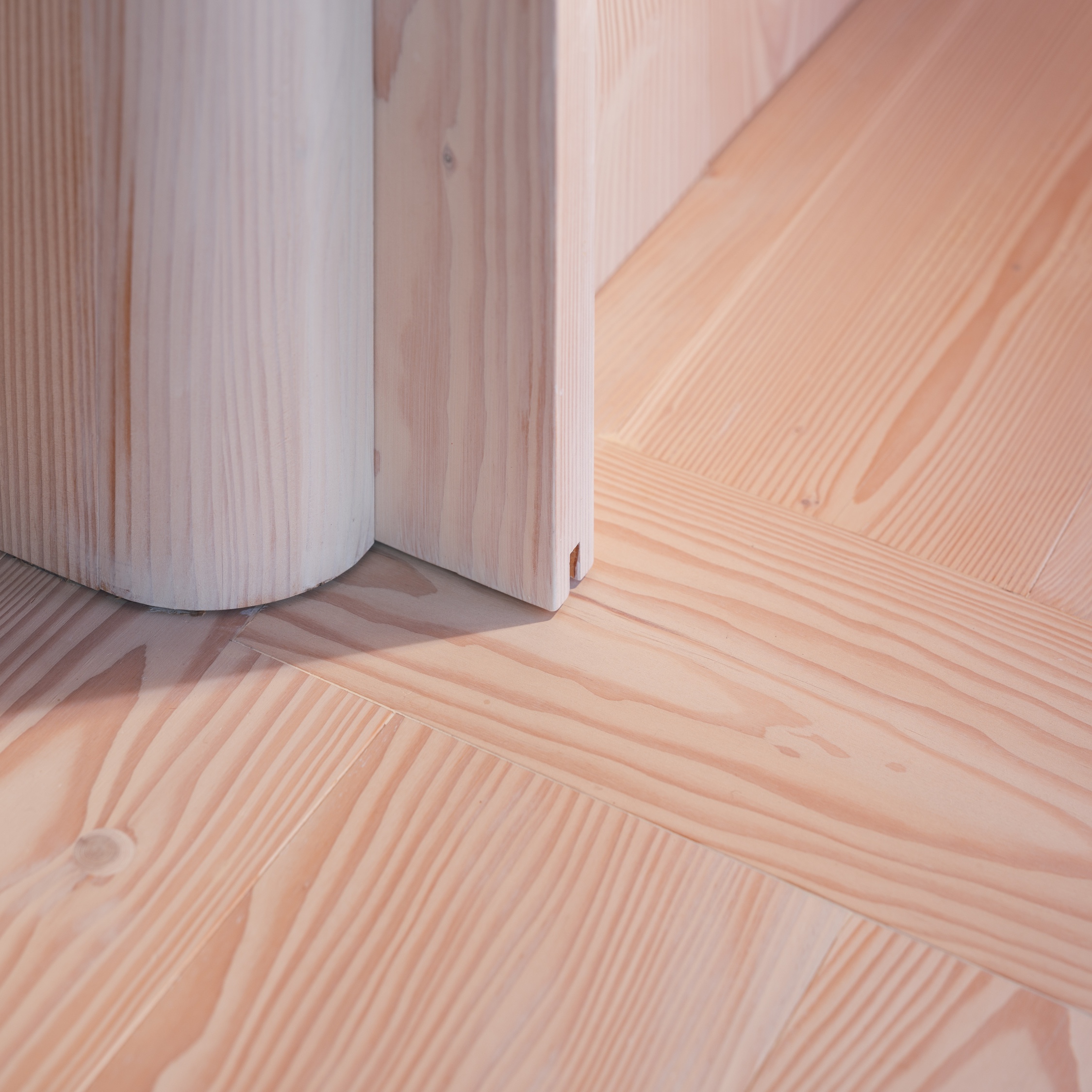
The choice fell on Douglas fir from Kullaberg Flooring. Christoffer Andersson Arkitekter have also worked with Kullaberg on several previous projects, and for the architects the decision was therefore not only about the material itself, but also about the collaboration with the supplier. The proximity, accessibility, and the ability to quickly obtain samples and different surface treatments made the process smooth.
“It was easy to get in touch with them, and we received a lot of samples. They were very responsive when it came to providing sample pieces and different surface treatments.”
A Supplier You Can Rely On
In architectural practice, the relationship with suppliers is crucial. Products recommended to clients must stand the test of time and perform in real construction projects. For that reason, accountability and problem-solving are key aspects of the collaboration.
“It is critical for us that we can rely on our suppliers. The products we recommend to our clients are something we must be able to stand behind all the way.”
The Choice of Douglas Fir
The choice fell on Douglas fir from Kullaberg Flooring. Christoffer Andersson Arkitekter have also worked with Kullaberg on several previous projects, and for the architects the decision was therefore not only about the material itself, but also about the collaboration with the supplier. The proximity, accessibility, and the ability to quickly obtain samples and different surface treatments made the process smooth.
“It was easy to get in touch with them, and we received a lot of samples. They were very responsive when it came to providing sample pieces and different surface treatments.”
A Supplier You Can Rely On
In architectural practice, the relationship with suppliers is crucial. Products recommended to clients must stand the test of time and perform in real construction projects. For that reason, accountability and problem-solving are key aspects of the collaboration.
“It is critical for us that we can rely on our suppliers. The products we recommend to our clients are something we must be able to stand behind all the way.”
The Same Material Throughout the House
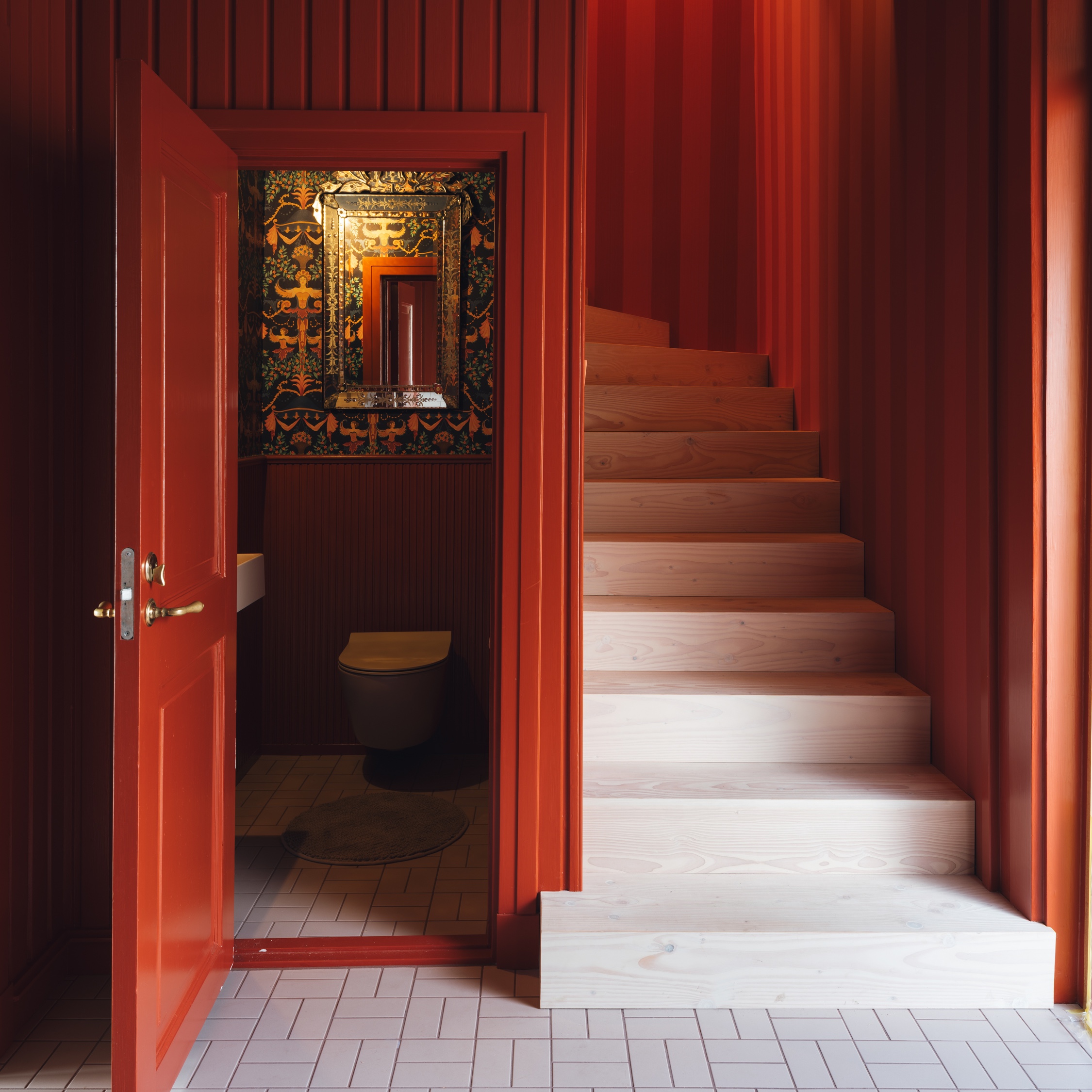
In the project, Kullaberg’s Douglas fir was not used solely for flooring. The material also appears in walls, ceilings, the staircase, and bespoke joinery. By working consistently with the same timber throughout, a cohesive materiality was created, tying the spaces together and giving the house a clear identity.
“We’re not only using Douglas fir for the floors, but also for walls, ceilings and joinery. We wanted a consistent expression throughout the entire house.”
A Floor That Lives Across Generations
A floor is more than just a surface within a room. It influences acoustics, atmosphere, and how people experience spaces over time. A solid timber floor also carries a longer perspective — something that evolves and gathers traces of life.
“The floor sets a kind of base tone for a room. A floor like this will likely live on for generations, and there is something poetic in the story that follows with it. Traces of life.”
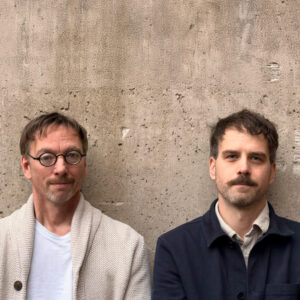
Christoffer Andersson Arkitekter
Christoffer Andersson Arkitekter is a northern Swedish architectural practice working on projects across the country. With a focus on the conditions of each site, materiality, and attention to detail, they strive to create architecture that enhances both the experience and the quality of life for those who use the buildings.
Three-layer engineered flooring and ceiling panels in Douglas fir
Thickness: 20 mm
Width: 210 mm
Length: Full lengths < 8 m
Surface treatment: Lye and hardwax oil, Natural Light
Three-layer engineered wall panels in Douglas fir
Thickness: 20 mm
Width: 295–315 mm
Length: Full lengths 2.4 m
Surface treatment: Lye and hardwax oil, Natural Light


